Blog 01

Demystifying Technical Analysis: A Beginner’s Guide to Chart Patterns and Indicators

Demystifying Technical Analysis: A Beginner’s Guide to Chart Patterns and Indicators” offers an accessible entry point into the world of technical analysis, providing novice traders with the foundational knowledge needed to interpret charts and indicators effectively. This blog series breaks down complex concepts into simple, easy-to-understand terms, empowering beginners to make informed trading decisions based on technical analysis. From recognizing common chart patterns such as head and shoulders or triangles to understanding the significance of key indicators like moving averages and relative strength index (RSI), this guide equips traders with the essential tools for analyzing market trends and identifying potential entry and exit points. Through practical examples and step-by-step tutorials, this series demystifies technical analysis, giving beginners the confidence to incorporate these powerful tools into their trading strategies. Whether you’re looking to enhance your understanding of price action or gain insights into market sentiment, mastering technical analysis is a crucial step towards becoming a successful trader. By equipping yourself with the knowledge and skills outlined in this guide, you’ll be better prepared to navigate the complexities of the financial markets and embark on your trading journey with clarity and confidence.

Demystifying Technical Analysis: A Beginner’s Guide to Chart Patterns and Indicators Read More »

Dm 2 1024x683

The Art of Risk Management: Safeguarding Your Investments in a Volatile Market

In the ever-changing landscape of the financial markets, mastering the art of risk management is paramount to safeguarding your investments and ensuring long-term success. “The Art of Risk Management: Safeguarding Your Investments in a Volatile Market” is a comprehensive exploration of essential techniques and strategies designed to help traders navigate through the challenges of market volatility with confidence and resilience. From setting realistic risk-reward ratios to implementing stop-loss orders and diversifying your portfolio, this blog series provides invaluable insights into minimizing risk while maximizing returns. Through a deep dive into risk management principles and practical examples, this series equips traders with the tools they need to protect their capital and thrive in turbulent market conditions. Whether you’re a novice trader or an experienced investor, mastering risk management is key to maintaining stability and achieving sustainable growth in your portfolio. By adopting a disciplined approach to risk management, you can mitigate losses, preserve capital, and position yourself for success in even the most unpredictable of market environments.

The Art of Risk Management: Safeguarding Your Investments in a Volatile Market Read More »

Blog 02

Mastering Market Volatility: Strategies for Thriving in Turbulent Times

In today’s dynamic financial landscape, market volatility presents both challenges and opportunities for traders. “Mastering Market Volatility: Strategies for Thriving in Turbulent Times” delves into the essential tactics required to navigate through periods of uncertainty with confidence and success. From leveraging volatility to your advantage to implementing risk management strategies, this comprehensive guide equips traders with the tools and knowledge needed to thrive amidst market turbulence. This blog series explores a range of proven techniques for mastering market volatility, including analyzing historical data, identifying key support and resistance levels, and adapting trading strategies to changing market conditions. Whether you’re a seasoned trader or just starting out, these insights will empower you to harness the power of volatility and capitalize on opportunities that arise, ensuring you remain resilient and profitable in even the most turbulent of times.

Mastering Market Volatility: Strategies for Thriving in Turbulent Times Read More »

Meta Advertising

What Is Meta Advertising In today’s digital world, businesses need effective ways to reach potential customers online. Meta Advertising is one of the most powerful digital marketing solutions that helps businesses promote their products and services across Facebook, Instagram, Messenger, and the Audience Network. With advanced targeting options and flexible advertising formats, Meta Ads allow businesses to connect with the right audience and achieve measurable results. How Does Meta Advertising Work Meta Advertising uses audience data and targeting tools to display ads to users who are most likely to be interested in a business’s products or services. Advertisers can define their target audience based on factors such as age, location, interests, behavior, and online activity. This helps businesses deliver relevant advertisements and improve campaign performance. Benefits of Meta Advertising Reach the Right Audience Meta Ads allow businesses to target specific audiences, ensuring that marketing messages reach people who are most likely to engage and convert. Increase Brand Awareness Advertising on Facebook and Instagram helps businesses improve their online visibility and introduce their brand to new customers. Generate Quality Leads Lead generation campaigns make it easier for businesses to collect customer inquiries and build a strong sales pipeline. Drive Website Traffic Meta Ads can encourage users to visit a website, explore products or services, and learn more about a business. Boost Sales and Conversions With effective targeting and compelling ad creatives, businesses can increase purchases, bookings, registrations, and other valuable actions. Why Choose Meta Advertising? Meta Advertising offers flexible budgeting, precise audience targeting, and detailed performance tracking. Businesses can measure results, optimize campaigns, and achieve their marketing goals more efficiently. Conclusion Meta Advertising is a powerful marketing solution for businesses looking to grow their online presence, attract customers, and increase revenue through targeted Facebook and Instagram advertising campaigns.

Meta Advertising Read More »

What Is Social Media Marketing

Introduction Social media has become an important part of everyday life. Millions of people use platforms such as Facebook, Instagram, LinkedIn, X, and YouTube to connect, learn, and discover new products and services. For businesses, this creates a valuable opportunity to reach potential customers where they spend a significant amount of their time. Social Media Marketing (SMM) is one of the most effective digital marketing strategies used by businesses to build brand awareness, engage with customers, and drive growth. Whether you are a small local business or a large company, social media marketing can help you establish a strong online presence and connect with your target audience. What Is Social Media Marketing?Consumers today often research brands online before making purchasing decisions. A strong social media presence helps businesses stay visible and relevant in a competitive market.Some key reasons why social media marketing is important include: Popular Social Media Platforms for Marketing Facebook Facebook remains one of the largest social media platforms and offers businesses opportunities to share content, interact with customers, and run targeted advertising campaigns. Instagram Instagram focuses on visual content such as photos, videos, reels, and stories. It is particularly effective for businesses that want to showcase products and build brand identity. LinkedIn LinkedIn is a professional networking platform that is ideal for B2B marketing, professional services, recruitment, and industry networking. YouTube YouTube allows businesses to connect with audiences through educational videos, product demonstrations, tutorials, and brand storytelling. Benefits of Social Media Marketing Increased Brand Visibility Regular posting helps businesses stay in front of their audience and attract new potential customers. Better Customer Engagement Social media enables direct communication between businesses and customers through comments, messages, and interactive content. Cost-Effective Marketing Compared to many traditional advertising methods, social media marketing can deliver excellent results even with a limited budget. Higher Website Traffic Sharing valuable content and promotions encourages users to visit a business website and learn more about its products or services. Lead Generation Opportunities Businesses can use social media campaigns to collect inquiries, generate leads, and convert followers into customers. Key Elements of a Successful Social Media Marketing Strategy Define Clear Goals Every social media campaign should have specific objectives, such as increasing brand awareness, generating leads, or boosting sales. Understand Your Audience Knowing your audience helps create content that matches their interests, needs, and preferences. Create Valuable Content Successful social media marketing focuses on providing useful, informative, and engaging content rather than constantly promoting products. Maintain Consistency Regular posting helps keep audiences engaged and strengthens brand recognition over time. Monitor Performance Tracking metrics such as engagement, reach, clicks, and conversions helps businesses understand what works and improve future campaigns. The Future of Social Media Marketing Social media continues to evolve with new technologies and changing consumer behavior. Video content, short-form content, artificial intelligence, influencer partnerships, and personalized experiences are becoming increasingly important. Businesses that stay updated with emerging trends and adapt their strategies will be better positioned to connect with customers and achieve long-term success. Conclusion Social Media Marketing has transformed the way businesses communicate with customers. It offers a powerful platform for building brand awareness, increasing engagement, generating leads, and driving business growth. By creating valuable content, understanding audience needs, and maintaining a consistent presence, businesses can use social media marketing to build strong relationships and achieve their marketing goals in an increasingly digital world.


What Is Social Media Marketing Read More »

What Is Digital Advertising

Introduction The way people discover products and services has changed dramatically over the last decade. Instead of relying only on newspapers, television, or radio, consumers now spend a significant part of their day online. They search for information, watch videos, browse social media, and shop using their smartphones. This shift in consumer behavior has made digital advertising one of the most effective ways for businesses to connect with potential customers. Whether you run a local business or a growing company, digital advertising helps you reach the right audience at the right time with the right message. Why Businesses Invest in Digital Advertising The primary goal of digital advertising is to increase visibility and attract potential customers. However, its value goes beyond simply displaying advertisements online. Digital advertising enables businesses to: Because campaign results can be tracked in real time, businesses can continuously improve their advertising efforts and maximize their return on investment. Major Forms of Digital Advertising Search Advertising Search advertising places ads in search engine results when users look for information related to specific keywords. These advertisements appear when people are actively searching for solutions, making them highly valuable for businesses seeking immediate customer attention. Social Media Advertising Social media platforms provide businesses with opportunities to reach audiences based on interests, age groups, locations, and online activities. These advertisements can appear in user feeds, stories, videos, and other social content formats. Display Advertising Display advertising uses visual elements such as banners, images, and graphics to capture audience attention across websites and mobile applications. It is often used to improve brand recognition and attract potential customers. Video Advertising Video advertising has become increasingly popular because it combines visuals, sound, and storytelling. Businesses use video ads to showcase products, explain services, and create stronger emotional connections with their audience. Benefits of Digital Advertising Better Audience Targeting One of the strongest advantages of digital advertising is its ability to target specific audiences. Businesses can reach people based on factors such as age, interests, location, device usage, and purchasing behavior. Measurable Results Traditional advertising often makes it difficult to determine exactly how many people responded to an advertisement. Digital advertising provides detailed performance data, allowing businesses to monitor clicks, conversions, engagement, and sales. Budget Flexibility Businesses of all sizes can benefit from digital advertising because campaigns can be launched with different budget levels. Small businesses can compete effectively without investing large amounts of money. Faster Business Growth When executed correctly, digital advertising can generate leads, increase traffic, and improve sales much faster than many traditional marketing methods. Improved Brand Recognition Consistent online visibility helps businesses stay in front of potential customers. Over time, this repeated exposure strengthens brand awareness and trust. The Future of Digital Advertising Digital advertising continues to evolve as technology advances. Artificial intelligence, automation, machine learning, and personalized marketing experiences are changing how businesses connect with consumers online. Future advertising campaigns are expected to become even more data-driven, relevant, and customer-focused. Businesses that stay updated with these developments will be better positioned to attract and retain customers in a competitive marketplace. Conclusion Digital advertising has become an essential tool for businesses seeking growth in the online world. By reaching targeted audiences, delivering measurable results, and offering flexible budgeting options, it provides opportunities that traditional advertising methods often cannot match. As consumers continue spending more time online, businesses that invest in effective digital advertising strategies will be better equipped to increase visibility, generate leads, and achieve long-term success.

What Is Digital Advertising Read More »

What Is Digital Marketing and Why Does Every Business Need It

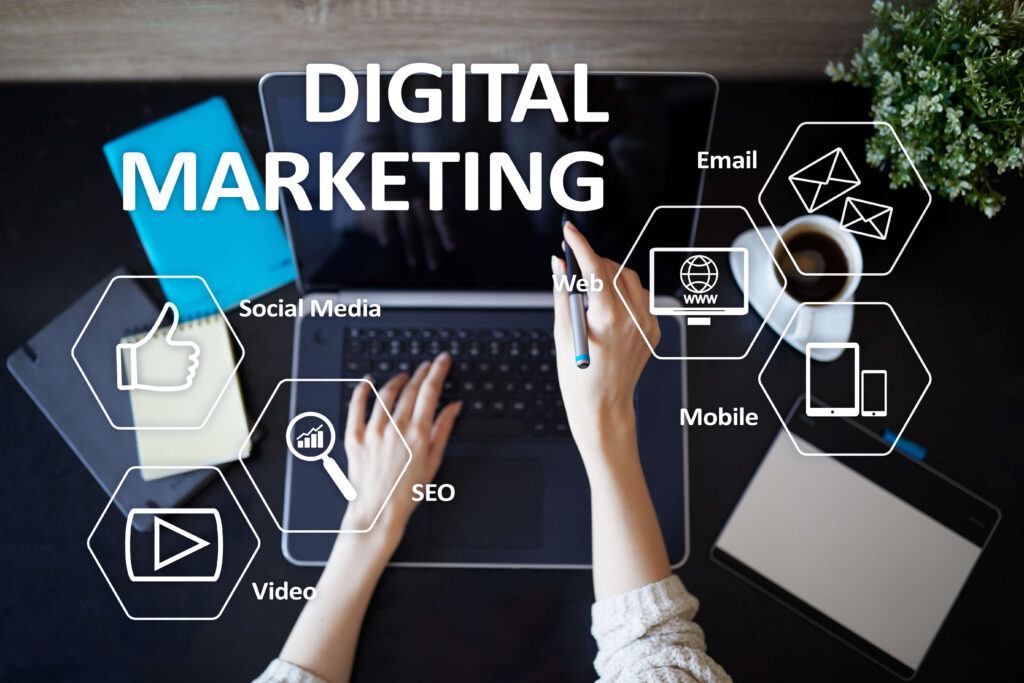
What Is Digital Marketing? Digital marketing is the practice of promoting products, services, or brands through digital platforms and online channels. It uses the internet and electronic devices to reach potential customers where they spend much of their time. Some of the most common digital marketing channels include: The main goal of digital marketing is to attract the right audience, engage them with valuable content, and encourage them to take action, such as making a purchase or contacting a business. Why Is Digital Marketing Important for Businesses? 1. Increased Online Visibility Millions of people search online every day for products and services. Digital marketing helps businesses appear in search results, social media feeds, and other online platforms, making it easier for potential customers to find them. 2. Cost-Effective Marketing Solution Compared to traditional advertising methods such as television, radio, or print media, digital marketing often delivers better results at a lower cost. Businesses can reach a larger audience while staying within their marketing budget. 3. Better Target Audience Reach Digital marketing allows businesses to target specific groups based on demographics, interests, location, and online behavior. This helps ensure marketing efforts reach people who are more likely to become customers. 4. Builds Brand Awareness A strong online presence helps businesses establish credibility and trust. Consistent marketing across websites, social media platforms, and search engines allows brands to stay visible and memorable to potential customers. Key Components of Digital Marketing Search Engine Optimization (SEO) SEO helps websites rank higher in search engine results, increasing organic traffic and improving online visibility. Content Marketing Creating valuable blogs, articles, videos, and guides helps attract and educate potential customers while building authority in a specific industry. Social Media Marketing Platforms like Facebook, Instagram, LinkedIn, and X help businesses engage with customers, share content, and promote products or services. Email Marketing Email campaigns allow businesses to communicate directly with customers, share updates, promote offers, and nurture leads. Paid Advertising Online advertising platforms enable businesses to reach targeted audiences quickly and generate immediate traffic and conversions. How Digital Marketing Helps Business Growth Digital marketing supports business growth by: Businesses that invest in digital marketing are better positioned to compete in an increasingly digital marketplace. Conclusion Digital marketing is no longer optional for businesses that want to grow and remain competitive. It provides effective ways to reach customers, build strong relationships, and achieve measurable results. Whether you are a small business owner or managing a large company, digital marketing can help you connect with your audience and create sustainable growth in the modern business environment.

What Is Digital Marketing and Why Does Every Business Need It Read More »